Wednesday, September 2, 2026
HOUSING• REGIONAL REPORT

NYC Council Expands SCRIE and DRIE Rent Freeze Programs, Raising Household Income Cap to $75,000 for Seniors and Disabled Tenants

In the first eligibility adjustment in over a decade, municipal lawmakers enact legislation shielding tens of thousands of fixed-income renters from rent increases as city compensates property owners via real estate tax abatements.

By NY District News Staff•New York, New York
November 3, 2026|6 min read
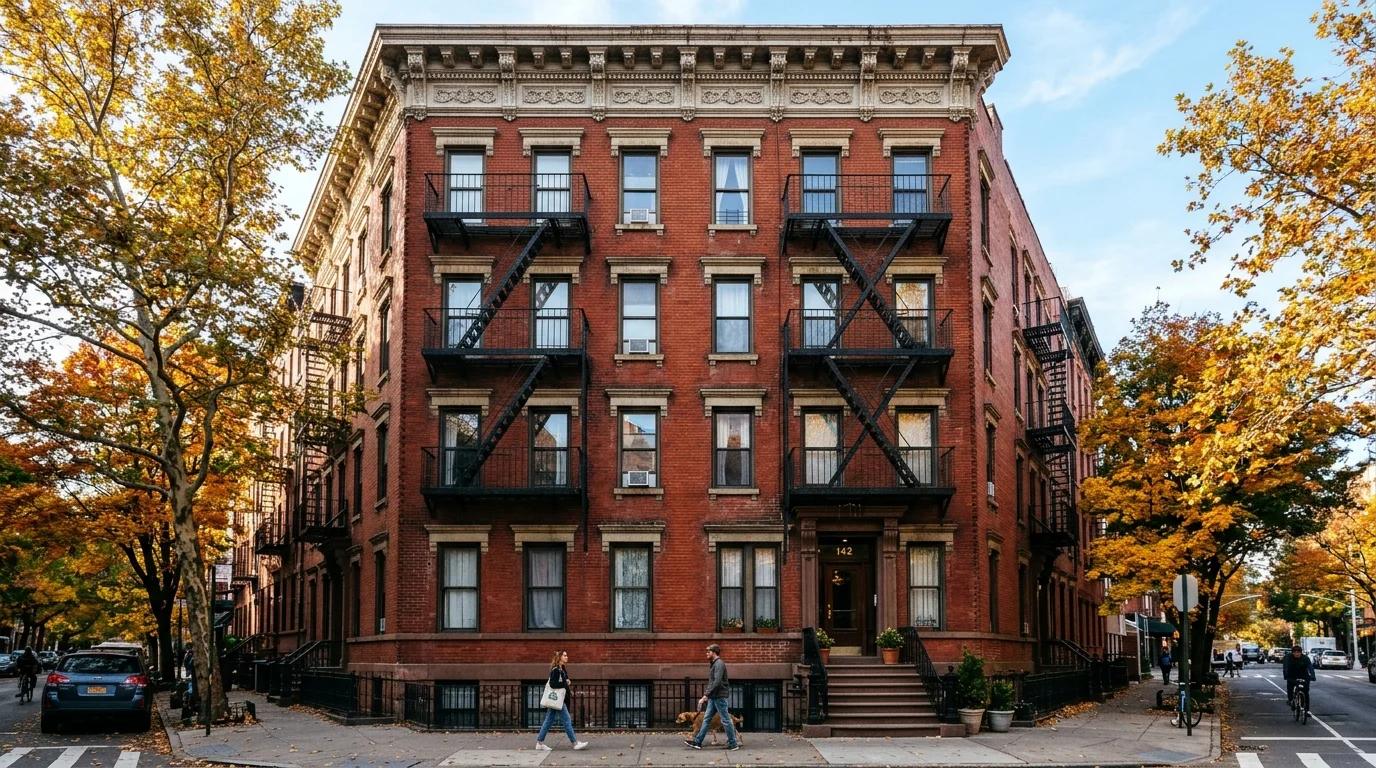
Historic brick apartment buildings along a tree-lined residential street in New York City.

A rent-stabilized apartment building in New York City, where eligible seniors and disabled households earning up to $75,000 annually can now freeze their rent under expanded municipal SCRIE and DRIE statutory thresholds.

NY DISTRICT NEWS

KEY FINDINGS

  • •The New York City Council enacted legislation elevating the SCRIE and DRIE annual household income cap from $50,000 to $75,000.
  • •The $25,000 threshold increase represents the first eligibility expansion for the municipal Rent Freeze Program since 2014.
  • •Landlords receive an equivalent dollar-for-dollar property tax credit via the NYC Department of Finance to cover frozen rent differentials.
  • •The statutory expansion covers rent-stabilized, rent-controlled, Mitchell-Lama, and qualifying HDFC cooperative apartments across all five boroughs.
  • •Qualifying tenants who spend more than one-third of household income on rent are eligible for immediate enrollment and retroactive credits.
WHY THIS MATTERS

Tens of thousands of fixed-income seniors and disabled New Yorkers will gain permanent protection against rising rents, preventing displacement in rapidly appreciating neighborhoods while maintaining building owner revenue through municipal property tax credits.

NEW YORK — In the most significant expansion of municipal tenant protections in more than a decade, the New York City Council voted overwhelmingly on Tuesday to broaden eligibility for the Senior Citizen Rent Increase Exemption (SCRIE) and the Disability Rent Increase Exemption (DRIE) programs, officially raising the maximum combined household income threshold from $50,000 to $75,000.

The legislative reform, which implements state-enabling legislation recently codified in Albany, delivers immediate economic stability to tens of thousands of low- and middle-income seniors and residents with disabilities residing in rent-stabilized, rent-controlled, Mitchell-Lama, and housing development fund corporation (HDFC) cooperatives across the five boroughs.
Under the statutory framework of the NYC Rent Freeze Program, qualifying tenants who dedicate more than one-third of their aggregate household income toward rent can have their payments frozen at either one-third of their income or their current legal rent, whichever is higher. The municipality offsets the differential by granting property owners a dollar-for-dollar property tax abatement through the NYC Department of Finance (DOF).
The $50,000 annual income ceiling had remained stagnant since 2014, failing to keep pace with cost-of-living adjustments, Social Security increases, and historic inflation. Housing policy analysts from the Pratt Center for Community Development estimated that over the past decade, thousands of elderly New Yorkers had been disqualified from rent protection simply because modest cost-of-living adjustments to their federal retirement checks pushed them marginally above the rigid municipal threshold.
“No senior citizen who built their life in New York should be forced onto the street or into an out-of-state shelter because a four-percent federal pension increase disqualified them from rent-freeze protections,” stated Council leadership during the floor vote. “Raising this cap to $75,000 acknowledges the harsh reality of urban living costs and ensures that our most vulnerable neighbors can age in place with dignity.”
The Department of Finance, which administers SCRIE and DRIE alongside the Department of Housing Preservation and Development (HPD), announced an immediate municipal outreach campaign to notify eligible households, community boards, senior centers, and legal aid societies. Officials noted that the income expansion applies retroactively to qualifying lease renewals filed since July 2026, allowing retroactive adjustments and credit applications.
Property owner associations and housing advocacy coalitions jointly commended the financial architecture of the program. Because the city underwrites the rent differential via direct property tax credits rather than imposing uncompensated burdens on housing providers, the measure provides predictability for building maintenance reserves while preventing evictions in rent-regulated buildings across Upper Manhattan, Queens, the Bronx, and Brooklyn.
The expansion is projected to bring up to 35,000 additional households into the Rent Freeze portfolio over the next two fiscal years, representing one of the city's largest proactive anti-displacement investments alongside the newly passed Community Opportunity to Purchase Act.
NY

By NY District News Staff

NY District News reporters cover local government, business, consumer issues, tax fairness, and public accountability across New York.

Share Record:
XFB

Know More About This Story?

If you have documents, records, correspondence, photographs or first-hand information related to this investigation, NY District News wants to hear from you.

CONTINUE READING: MORE FROM NY DISTRICT NEWS

Circular Loop Navigation
THE DISTRICT BRIEF

Serious reporting. Right in your inbox.

Investigations, document dumps, and local accountability stories. No visual noise. Just New York journalism that matters.

Weekly accountability reports. Never shared. Unsubscribe anytime.